

Ground Penetrating Radar is recognized as an effective tool for discovering the buried depths of Yorkshire's rich landscape. This non-intrusive technology permits archaeologists and construction experts to examine what is hidden beneath the surface without invasive digging. Whether you are studying ancient burial sites, assessing infrastructure integrity, or locating utility lines, GPR surveys provide valuable data that can inform policies and maintain historical accuracy.
In this region, where historical sites and modern development often meet, understanding the mechanics of GPR and when it should be applied is essential. From locating disused mines in the South and West regions of Yorkshire to pinpointing unrecorded culverts on brownfield sites, GPR's versatility makes it a key element in multiple disciplines. As we investigate deeper into the applications and benefits of GPR surveys in the area, we will explore its role in safeguarding both our historical legacy and enabling contemporary building.
Understanding GPR Surveys in Yorkshire Area
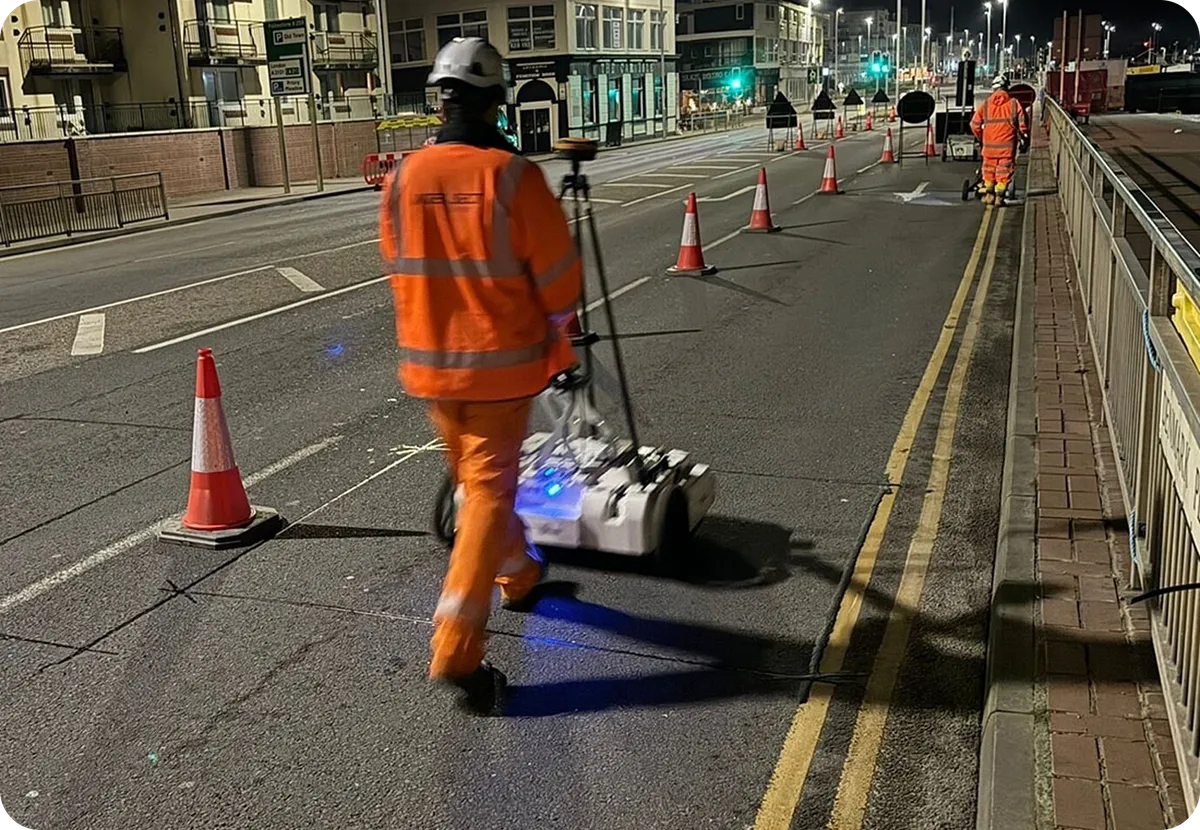
Ground Penetrating Radar, or Ground Penetrating Radar, is a non-destructive geophysical method that employs radar signals to visualize the subsurface. In Yorkshire, this technique has become a key tool for diverse industries, including building, archaeology, and facility upkeep. GPR surveys are particularly beneficial in urban settings where traditional excavation methods might disturb existing structures or services. By emitting PAS 128 Surveys Middlesbrough Yorkshire -frequency radar waves into the ground, GPR can identify different underground objects, including tubing, wires, and even voids or cultural remnants.
One of the significant strengths of GPR analyses in the Yorkshire Region is their ability to perform efficiently in diverse soil conditions. Yorkshire's clay soils and varying moisture levels can affect radar penetration depth, making it crucial for GPR professionals to understand local geological conditions. By tailoring survey techniques to fit these characteristics, GPR technicians can offer precise insights while lessening potential hazards associated with underground elements. This comprehension is vital for construction managers when planning construction and site preparation activities.
The merging of GPR with additional mapping techniques, such as PAS 128 utility surveying and 3D scanning, further enhances its efficiency. This integrated approach allows for a more detailed view of subsurface conditions, ensuring that all hidden issues are recognized before initiating work. In a area like Yorkshire, where historical sites and contemporary facilities exist side by side, conducting thorough GPR analyses is essential in protecting heritage while supporting progress.
Applications of Ground Penetrating Radar in Construction and Historical Research
GPR has various applications that greatly aid both construction initiatives and historical explorations. In the realm of infrastructure, GPR is utilized for mapping infrastructure networks, spotting underground voids, and evaluating the integrity of structures. Before excavation begins, GPR surveys help find non-metallic pipes and cables, ensuring building crews avoid costly utility strikes. These evaluations are particularly important for highway and infrastructure developments, where the security and efficient conduct of work largely depend on thorough understanding of the underground conditions.
In archaeology, GPR serves as a non-invasive tool for exploring ancient locations without disturbing the ground. Surveys can uncover hidden burials, ancient structures, and artifacts buried beneath layers of soil. In Yorkshire, for example, archaeological GPR surveys support the preservation of heritage sites by allowing researchers to chart burial plots and any underlying features. This use of GPR not only assists in research but also helps protect cultural heritage, promoting responsible management of archaeological resources.
Additionally, the capability of GPR ability to combine with additional methods, such as topographic mapping and 3D imaging, enhances both construction advancement and historical research. For project managers, this combination offers comprehensive datasets that enhance the decision process and project outcomes. As a result, Ground Penetrating Radar has become an integral tool in the arsenal of engineers and archaeologists alike, driving progress in both areas through precise subsurface assessments.
Choosing the Best Ground Penetrating Radar Survey Contractor
Selecting the appropriate ground penetrating radar survey contractor is essential for ensuring accurate and dependable results for your project. Begin by checking the provider's experience and skill in the specific types of GPR surveys you require. Look for companies that have a strong track record in the Yorkshire area, particularly in areas relevant to your project such as utility mapping, archaeology, or ground investigations. Customer reviews and success stories can provide valuable insights into their competence and past performances.
It is also crucial to evaluate the tools and technology the contractor uses. Advanced ground penetrating radar systems with multi-frequency antennas, sophisticated analysis software, and the ability to deliver layered CAD and Building Information Modeling deliverables can considerably enhance the standard of the survey. Ensure that the contractor is familiar with local conditions, including how Yorkshire's soil type and humidity can influence survey depth, as this knowledge can lead to more effective results.
In conclusion, communication and customer service should be prioritized. PAS 128 Surveys Yorkshire that is attentive and willing to address your inquiries will help ensure a smooth collaboration throughout the initiative. Ask for a detailed estimate that details the extent, schedule, and pricing involved, and make sure they comply with industry standards like PAS 128 for utility mapping. By considering these aspects into consideration, you can select a GPR survey contractor that will meet your project's specific needs efficiently.