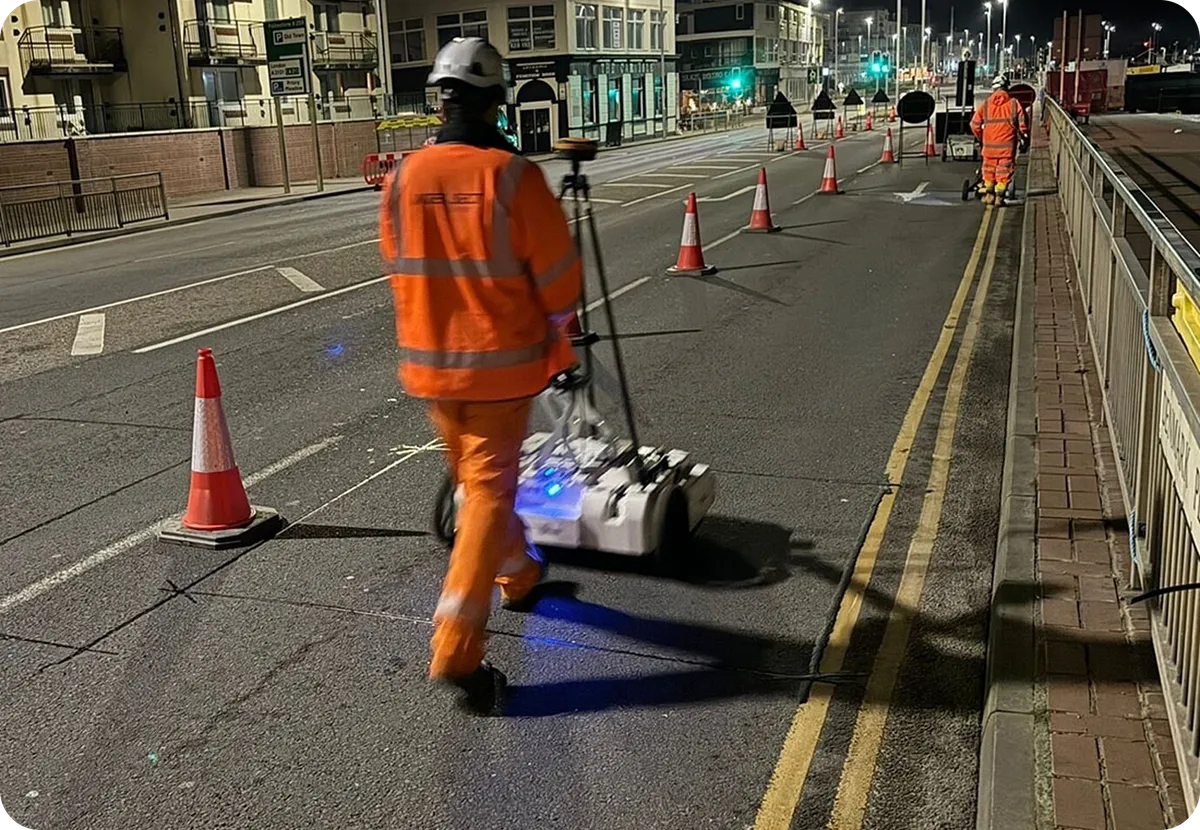
GPR, or Ground Penetrating Radar, has been changing the way we investigate the below-ground environment, providing a non-intrusive means to evaluate what lies beneath our surfaces. In the Yorkshire region, where ancient geological formations and modern infrastructure coexist, GPR surveys have become an invaluable tool for multiple applications, spanning utility mapping to archaeological investigations. As demand increases for more secure and more efficient construction practices, comprehending the capabilities and advantages of GPR technology becomes essential for project managers, engineers, and contractors alike.
Whether you are preparing for a new construction project, investigating utility locations, or evaluating historical sites, GPR surveys offer live insights that help costly mistakes and improve safety measures. With its ability to detect a wide array of things from buried cables and pipes to unused mine shafts, GPR is quickly becoming a go-to solution in the region's dynamic landscape. In this article, we will explore the varied applications and benefits of GPR surveys, as well as important standards and best practices that guarantee successful subsurface exploration across the region.
Understanding GPR Inspections and Their Functions
Ground Penetrating Radar, also known as Ground Penetrating Radar, is an innovative technology utilized for subsurface exploration, offering detailed data concerning different below-ground substances. Through transmitting high-frequency radio waves through the soil, GPR is able to identify abnormalities, structures, and objects, offering insights into that which exists below the topsoil without the need for invasive digging. This non-destructive method is considered particularly advantageous in Yorkshire, given that varied geological conditions along with heritage locations necessitate meticulous excavation planning.
GPR surveys have extensive uses in various industries, like building projects, archaeological endeavors, as well as environmental studies. Within the construction sector, they prove to be vital for identifying utilities, such as non-metallic pipes along with cables, that tend to be uncatalogued. Additionally, they assist in compliance with safety regulations like HSG 47 compliance, which helps prevent utility strikes while guaranteeing safe working conditions at construction locations. The ability to visualize subsurface features permits construction managers in making informed choices, reducing risk along with unexpected costs.
In addition to construction, GPR is extensively applied for the field of archaeology, in which aids in the mapping of archaeological locations without disrupting the need to disturb the soil. This technique is capable of revealing hidden graves, foundations, as well as other important archaeological features that contribute in comprehending the history of the area. Additionally, GPR is crucial for environmental applications, including identifying derelict mine shafts as well as evaluating the geology of the site, ensuring that development projects are planned based on a comprehensive understanding of the underground environment in the Yorkshire region.
Top Methods for Carrying Out GPR Surveys in Yorkshire
To secure effective GPR surveys in Yorkshire Region, planning is crucial. This includes performing comprehensive preliminary research on the site, including prior utility maps and any historical data. Gathering information about the geographical area, such as soil classifications and archaeological significance, can significantly enhance the validity of the survey. Before starting, it is important to assess the weather conditions and soil moisture levels, as these factors can impact the GPR signal's depth of penetration and clarity.
Hiring skilled and licensed GPR technicians is essential to achieve trustworthy results. These experts understand how to select the appropriate GPR equipment based on the unique site conditions and the objects being targeted. Employing advanced technology, such as dual-frequency GPR antennas, can optimize detection capabilities for different depths. Additionally, surveyors should confirm appropriate calibration and settings for the GPR system based on site conditions to boost data quality.
After performing the survey, the post-processing phase is important for converting raw data into meaningful information. Employing PAS 128 Surveys Middlesbrough Yorkshire can help create clear and detailed images of the subsurface, allowing for efficient interpretation and decision-making. It is also beneficial to document all methodologies and findings comprehensively, promoting better communication with clients and ensuring compliance with best practices. Regular training and updates on effective techniques for the team can also lead to improved outcomes in GPR investigation projects across Yorkshire.
The Future of GPR Technology and Its Impact on Subsurface Exploration
As Ground Penetrating Radar (GPR) is set to a crucial tool in subsurface exploration. Innovations in hardware and software are elevating the resolution and depth of studies, allowing surveyors to observe more subtle or deeper features than ever before. Due to the launch of dual-frequency antennas and improved signal processing techniques, GPR can now differentiate between different materials and voids with enhanced accuracy, providing detailed insights that are vital for construction, archaeological studies, and environmental assessments in regions like Yorkshire.
Moreover, the integration of GPR with other technologies like 3D laser scanning and Geographic Information Systems (GIS) is revolutionizing data visualization. These combinations facilitate the creation of comprehensive models that map subsurface features alongside surface topography. This capability not only boosts project planning and risk assessment during construction while also aids in managing utilities and natural resources more effectively. As communities in Yorkshire develop and historic sites require preservation, these advanced uses of GPR will emerge as invaluable in reconciling development with heritage protection.
Going forward, the reduction of costs related to GPR surveys will broaden its accessibility to a wider range of industries and projects. As more professionals realize the benefits of early subsurface investigations to prevent utility strikes and avoid costly delays, the demand for GPR services will most likely increase. Coupled with ongoing research into mitigating the limitations of GPR, including issues arising from soil type and moisture levels, the future of this technology is set to enhance enhancing safety, efficiency, and accuracy in subsurface exploration across Yorkshire and beyond.