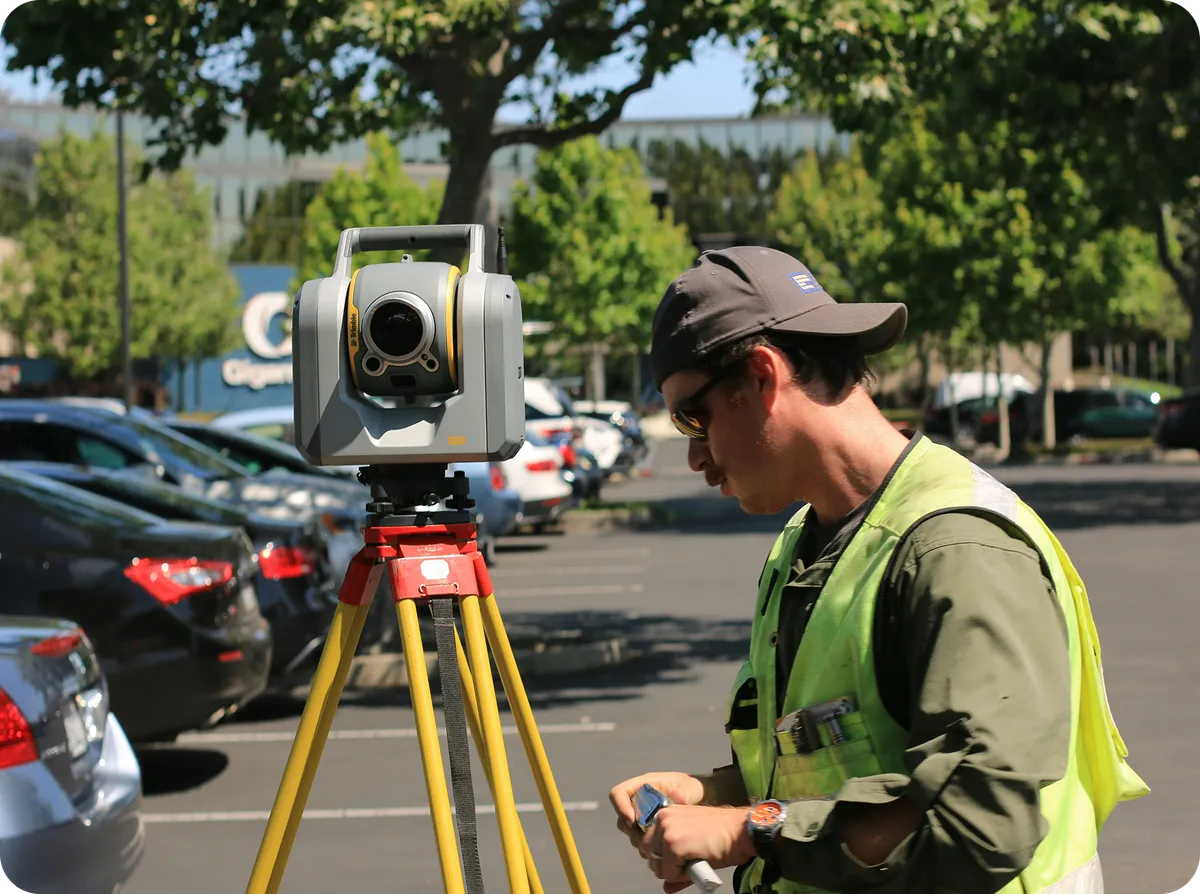
Given that development and development undertakings keep to grow in Yorkshire, the need for robust measurement methods has ever more essential. GPR inspections are now as vital tool for industry professionals, yielding information into subsurface conditions that standard approaches could overlook. Including urban construction sites in Leeds to rural developments in the rural areas of North Yorkshire, understanding how GPR operates can enable safer and streamlined excavations, helping to steer clear of concealed hazards that can derail initiatives or result in financial mistakes.
In this piece, we are going to discuss the multiple uses of GPR surveys in the Yorkshire region, shedding light on how the technology helps identify non-metallic pipes, wires, and even unidentified resting places. We will also discuss key standards such as PAS 128 utility mapping practices and how combining GPR with additional detection methods can improve findings. Whether you are a manager of projects, contractor, or involved in heritage preservation, understanding when and how to employ GPR surveys can substantially impact the outcome of your projects.
Grasping GPR Investigations in Yorkshire
Ground Penetrating Radar (GPR), commonly referred to as GPR, is a vital tool for subsurface investigation, allowing surveyors to see what lies beneath the top layer without disruptive digging. In the Yorkshire region, GPR surveys are increasingly utilized across different industries, including infrastructure development, archaeological studies, and ecological research. This non-destructive technology employs electromagnetic waves to produce images of the underground structures, helping to identify the presence of utilities, geological formations, and risk factors.
In urban areas like the city of Leeds and Sheffield, where infrastructure is dense and complex, the need for precise subsurface mapping is paramount. These surveys assist in locating non-metallic pipes and cables before excavation, preventing high costs and interruptions in service. Additionally, Topographical Surveys Yorkshire to regulations such as the PAS 128 guidelines ensures that the data collected meets the appropriate quality levels for utility mapping, thereby enhancing security and efficiency on building sites.
The distinctive geological conditions in Yorkshire, including clay soils and varying moisture levels, can impact GPR penetration depth and signal clarity. Comprehending these factors is crucial for survey strategists to optimize survey methods. Using high-tech GPR equipment and methods, such as dual-frequency antennas, allows for the identification of both shallow and deep assets, providing comprehensive insights for project planning and implementation.
Utilizations of GPR Technology
Ground Penetrating Radar technology has a wide array of functions across various sectors, rendering it a critical asset for both the building and conservation initiatives. In the construction field, GPR is primarily employed for mapping utilities, allowing contractors to locate underground pipes and cables before excavation begins. This significantly reduces the risk of striking utilities during construction projects, ensuring safety and efficiency. Topographical Surveys Yorkshire is also essential for pre-acquisition due diligence, helping stakeholders to identify concealed site issues that might hinder development.
In archaeological and environmental settings, GPR is used for detecting subsurface voids, such as closed mines or unmapped culverts, and creating maps of grave sites in ancient churchyards. This application is crucial in areas such as Yorkshire, where the protection of heritage sites is vital. GPR surveys for archaeological purposes assist in locating artifacts while preserving the soil but also contribute to understanding the layout of past civilizations, ensuring that heritage sites are respected.
Moreover, GPR technology plays a crucial role in ground investigations and building evaluations. It is utilized to assess concrete structures, detect rebar and post-tension cables in slabs, and assess road and bridge conditions. As the environment and materials change, the ability to adapt GPR technology to specific needs—such as moisture variations in Yorkshire clay soils—improves its accuracy and dependability. This flexibility makes GPR an essential resource in various fields, ensuring safety, efficiency, and preservation of vital information beneath the surface.
Pricing and Preparation for GPR Surveys
When organizing for a Ground Penetrating Radar survey in Yorkshire, understanding the pricing involved is crucial for effective budgeting. The price of a Ground Penetrating Radar survey typically varies based on several factors, including the dimension of the area to be surveyed, the difficulty of the site, and the required depth of penetration. Most contractors provide estimates based on time-based rates or project estimates, and it’s advisable to collect multiple estimates to ensure competitive pricing. Additional services, such as data processing and report generation, may also impact the total cost, so it's vital to specify what is included in each estimate.
Readiness is key to a successful GPR survey. Potential clients should ensure the site is accessible and free from barriers. This may require clearing debris or working with utility companies to avoid problems with underground services. It's advisable to conduct a preliminary assessment that includes examining existing utility records and consulting local regulations to comply with requirements such as PAS 128. Proper planning helps avoid delays and additional costs that could arise from unforeseen issues during the survey.
Analysis after the survey is another critical component that affects both cost and effectiveness. Raw data collected from Ground Penetrating Radar surveys must be processed to generate clear, understandable results. Investing in quality post-processing software can enhance the clarity of the findings, providing clients with more accurate insights for making decisions. Thus, taking into account both the upfront survey costs and the potential expenses for analysis will contribute to a more comprehensive budget and a higher ROI for GPR services.