

In the heart of Yorkshire, a wealth of the past and infrastructure lies underneath, waiting to be explored. Ground Penetrating Radar surveys are revolutionizing the way we explore and understand the subsurface landscape. By utilizing state-of-the-art radar technology, GPR studies offer an innovative approach to mapping unseen structures, detecting buried services, and discovering ancient sites. As construction projects and archaeological research become increasingly sophisticated, the significance of employing GPR studies can’t be ignored.
Whether you are a project manager in Sheffield city, a contractor in Leeds district, or an archaeologist investigating the rich heritage locations in northern Yorkshire, understanding what a GPR inspection entails and when to perform one can reduce time expenditure, minimize risks, and prevent costly mistakes. GPR Surveys Yorkshire explores the various applications of GPR inspections unique to Yorkshire region, providing perspectives into their methodologies, advantages, and how they adhere to regulatory guidelines. From protecting vital services before excavation to revealing hidden cultural sites, the potential of GPR studies is discovering Yorkshire’s hidden treasures one layer at a time.
Introduction to GPR Assessments and Their Significance
Ground Penetrating Radar surveys have emerged as a key tool in a range of areas, including infrastructure development, historical research, and service location. This non-destructive method utilizes radar pulses to visualize the subsurface, revealing important information about what lies underground. In Yorkshire, where historical sites and modern infrastructure coexist, GPR surveys play an integral role in maintaining safety and efficiency during digging and development projects.
The ability to identify buried utilities, including service lines and cavities, makes GPR an crucial asset for building and restoration efforts. By identifying the sites of plastic pipes, electrical lines, and additional subsurface elements, GPR surveys help avert costly service interruptions that could lead to project holdups and threats. In regions like Yorkshire, where heavy clay can hinder excavation activities, GPR offers a clear advantage by providing current information that facilitates planning and operations.
Moreover, GPR surveys are increasingly acknowledged for their relevance in compliance with safety regulations. Recognizing underground environments helps construction firms comply with guidelines such as the HSG47 standard, which requires measures for subsurface risks. By utilizing GPR technology, construction leaders not only enhance site safety but also advance more sustainable development methods by minimizing disruption to the surrounding area and existing infrastructure.
Utilizations of GPR in Yorkshire Building
GPR has become an indispensable tool in the construction industry across Yorkshire, delivering important insights into the underground environment. One of the main applications of GPR is in utilities mapping, where it efficiently identifies non-metallic pipes and cables before excavation. This feature is essential, as many antique utilities are unrecorded or poorly documented, posing a risk of costly utility strikes during development. GPR investigations enable project managers to see the underground setup, facilitating safer groundwork, thereby lessening project holdups and financial burdens.
Another important use of Ground Penetrating Radar in Yorkshire building is the detection of voids in structures and weaknesses beneath streets, car parks, and warehouse. By identifying these problems before construction begins, GPR helps stop potential failures that could arise from weak ground. Moreover, Ground Penetrating Radar is instrumental in assessing concrete forms, such as deck bridges, allowing for the precise location of rebar, post-tensioned cables, and pipes. https://hedgedoc.ctf.mcgill.ca/new ensures that any future coring operations do not jeopardize the integrity of these forms.
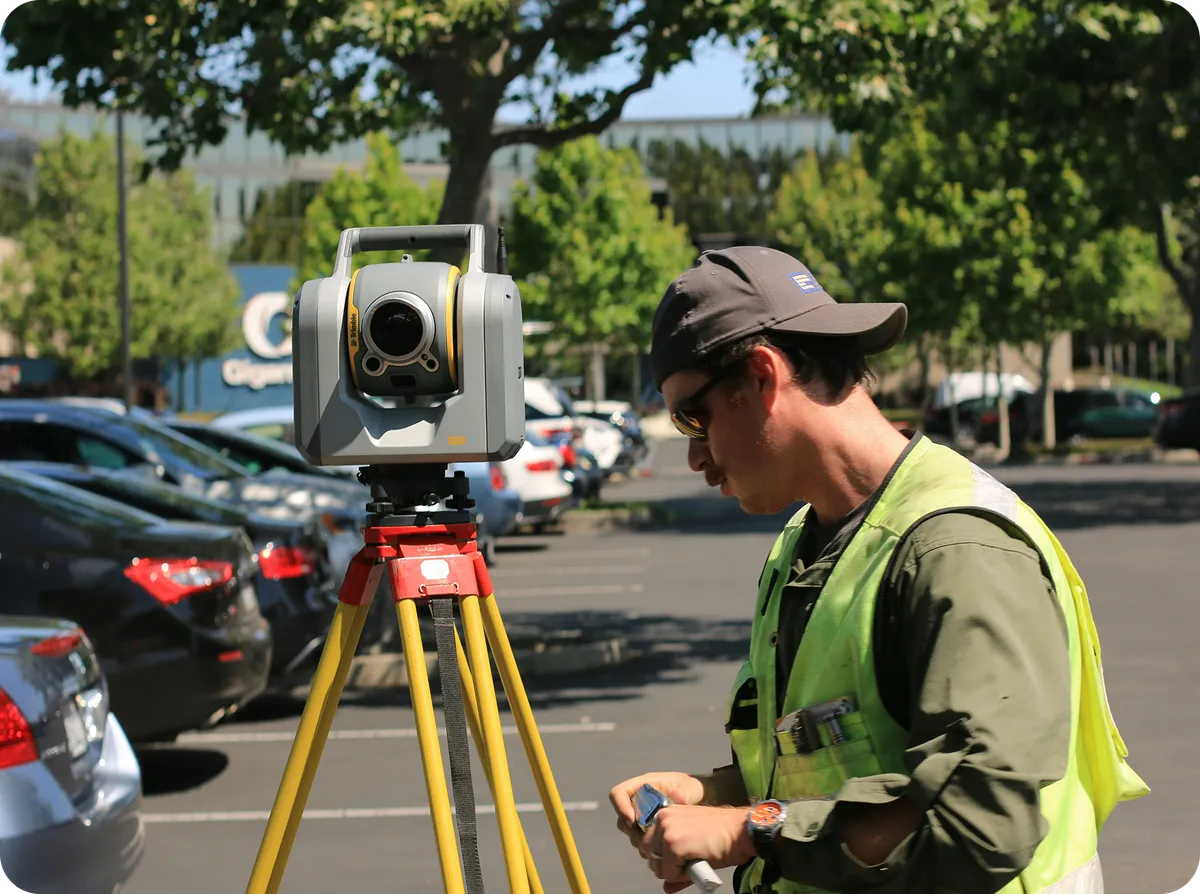
Moreover, Ground Penetrating Radar is useful in archaeological investigations, particularly in historically significant areas like the North Yorkshire region. It assists in identifying historic burial sites and unmarked burials, ensuring that construction activities honor and safeguard the region's cultural heritage. Through its various applications, Ground Penetrating Radar not only enhances safety and efficiency in construction projects but also promotes a thoughtful approach to land development, harmonizing current construction demands with the preservation of historical sites.
Expenses and Aspects for GPR Surveys
When evaluating a Ground Penetrating Radar (GPR) survey in the Yorkshire region, it's essential to grasp the financial aspects involved. The cost can vary based on multiple factors, including the size of the area to be surveyed, site access, and the specific equipment necessary for the task. Generally, GPR surveys range from a few hundred to thousands pounds, depending on the complexity and depth of the survey. For bigger or more intricate sites, the investment can be warranted by the potential savings from avoiding utility issues and revealing hidden liabilities.
In furthermore to pricing, project managers must take into account the expertise and credentials of the GPR survey contractor. A competent provider should be knowledgeable with local regulations, such as compliance with PAS 128, ensuring the survey meets all guidelines for utility locating and site assessments in the Yorkshire region. Engaging a skilled contractor can greatly enhance the quality and reliability of the assessment results, ultimately impacting decision-making during building or excavation.
Another critical consideration is the timing of the assessment. Proper scheduling is essential, as GPR assessments can take a while to organize, and climate factors may affect ground penetration capabilities. Factors such as soil makeup and humidity can affect the efficiency of GPR, particularly in the region's clay-heavy locations. By including PAS 128 Surveys Middlesbrough Yorkshire in the project timeline, stakeholders can successfully mitigate risks and streamline the groundwork process, ensuring a safer and more effective construction phase.