

Yorkshire, famed for its breathtaking scenery and extensive heritage, is also a region with a complex geological composition that can present difficulties for construction and land development projects. GPR, or GPR, has emerged as a crucial tool in this scenario, enabling professionals to reveal the hidden intricacies beneath the surface. By employing GPR surveys, stakeholders can obtain valuable insights regarding subsurface structures, utility installations, and potential hazards that lie beneath the Yorkshire soil.
As city expansion continues to rise in towns like Leeds and Sheffield and Sheffield, the need for efficient methods of subsurface investigation has never been more important. GPR technology allows for the detection of various buried assets, from plastic piping to empty spaces in structures, which ensures that projects comply with safety standards and avoid costly delays. By understanding the potential and applications of GPR, project managers and construction teams are more prepared to navigate the obstacles posed by Yorkshire's diverse geology.
Grasping GPR Surveys in Yorkshire
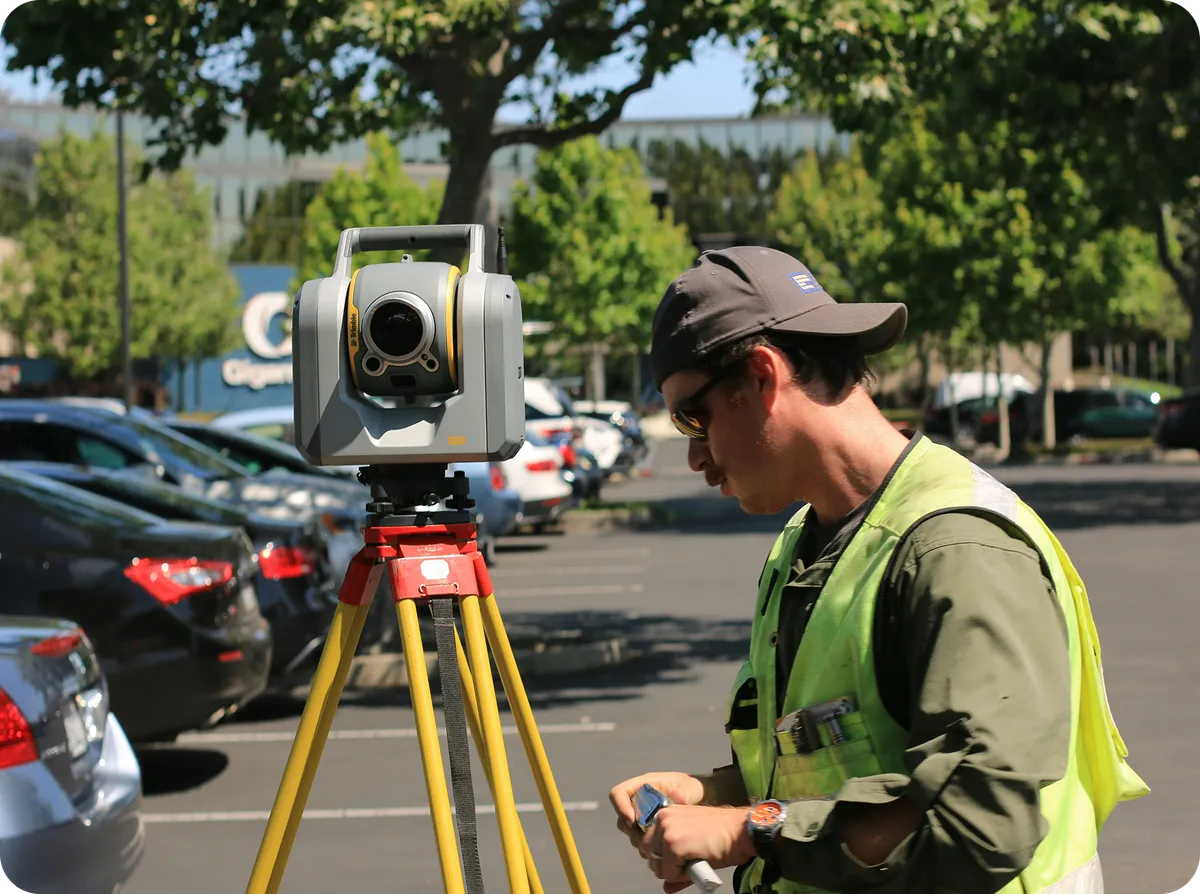
GPR surveys are a non-invasive geophysical method used to examine underground elements and characteristics. In Yorkshire, this technology has gained recognition due to its capability in finding utility lines, evaluating soil layers, and detecting archaeological sites. By sending high-frequency radar pulses into the earth, GPR can uncover everything from subsurface infrastructure to voids and other anomalies without disturbing the surface, making it an critical tool for construction and environmental assessments.
When performing a GPR survey in Yorkshire, knowledge of local soil conditions is critical. The area's clay soils, combined with varying moisture levels, can impact radar signal penetration and quality. Knowing how GPR Surveys Yorkshire influence the results can help surveyors set up their tools and enhance data precision. Additionally, incorporating GPR with additional surveying methods, such as Topographical and 3D Lidar Scanning, can provide a broader detailed view of the underground landscape.
In the context of Yorkshire's cultural and industrial landscape, GPR surveys also play a vital role in heritage preservation efforts. PAS 128 Surveys Yorkshire aid in documenting unrecorded sites, such as disused mine shafts or unmarked graves, which are essential for both security and historical conservation. As the need for secure and effective groundworks grows, GPR surveys offer an innovative solution to navigate the complexities of underground infrastructures and site risks throughout the region.
Applications of GPR in Subsurface Investigation
Ground Penetrating Radar has risen as a vital tool in subsurface exploration across various fields, particularly in building and infrastructure development. Its ability to provide instant imaging of subsurface structures makes it essential for detecting buried services, such as freshwater, natural gas, and electric lines, before digging begins. This capability is particularly crucial in city environments where the risk of utility strikes during excavation can result in expensive project setbacks and safety hazards. By using GPR surveys, contractors can create detailed maps of existing underground services, ensuring safer and more efficient project execution.
A further significant application of GPR is in evaluating the state of structural elements such as roads, bridges, and industrial floors. This method can detect voids, cracks, and areas of weakness beneath cement surfaces, allowing engineers to evaluate the integrity of these elements without digging. In areas like Southern and Western Yorkshire, where neglected mine shafts and subsurface voids are prevalent, Ground Penetrating Radar plays a critical role in identifying potential risks, thus improving the safety of construction projects in these regions.
Additionally, GPR is used in archaeology contexts, providing information into unidentified graves and ancient artifacts that might lie beneath the soil surface. This use not only aids in cultural conservation efforts but also ensures compliance with regulations surrounding the digging of sensitive sites. As the demand for thorough subsurface investigations continues to grow, GPR's flexibility and effectiveness make it an essential tool for project managers, researchers, and engineers alike. spintax
Guaranteeing Reliable plus Efficient GPR Deployments
The successful execution of GPR in Yorkshire area requires thorough preparation and compliance with safety standards. Familiarizing yourself with compliance regulations such as HSG47 helps lessen risks related to underground utilities. Additionally, working with local authorities and comprehending site-specific conditions ensure that all potential hazards are accounted for before conducting GPR surveys. This forward-thinking approach not only enhances safety but also elevates the overall quality of the survey procedure.
Planning is crucial in facilitating effective GPR executions. Defining the scope of the survey and understanding the specific goals will guide the selection of appropriate equipment and techniques. Factors such as soil type, moisture content, and potential obstacles play a significant role in establishing the optimal frequency and method of ground penetration. Engaging in before survey discussions with clients provides a clearer understanding of project objectives and potential challenges, thereby simplifying the survey process.
Finally, utilizing sophisticated post-processing software is crucial for translating raw GPR data into insightful insights. This step involves analyzing radargrams precisely to create coherent subsurface maps. By merging GPR findings with supplementary data sources, such as CAD and BIM models, professionals can deliver detailed assessments that inform construction and excavation decisions. Regular communication with the team throughout the procedure guarantees that any issues are quickly addressed, enhancing the efficiency of the GPR survey.